
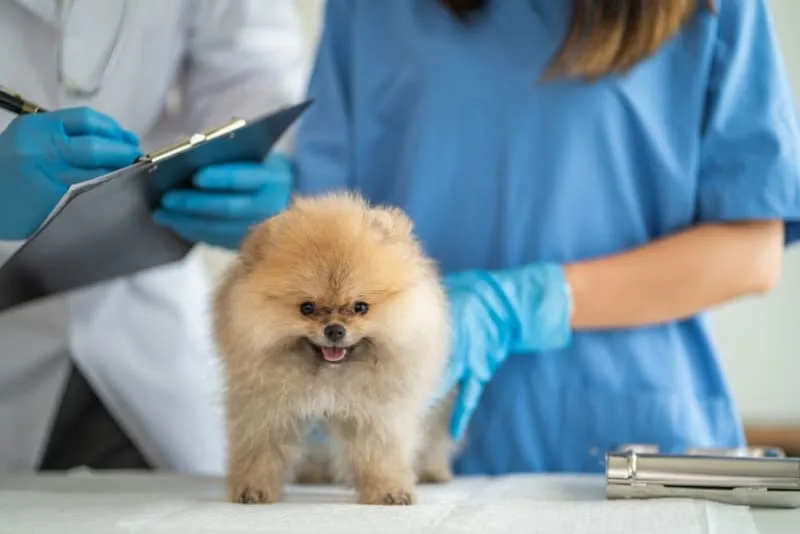
Have you decided to add a new furry bundle of joy to your family? While this is exciting, you will also need to remember that they'll need to see the vet to give them a solid start in life. Here, our Killen vets discuss what to expect at your puppy's first vet visit, including the cost and what to bring.
When should you take your puppy for its first vet visit?
Book a first vet visit for your new puppy within the first few days after you bring them home.
During this initial visit, the vet will review their medical records, conduct a physical exam, and check for health concerns. Puppies typically have appointments every three to four weeks, starting when they are between six and eight weeks old and ending when they are four or five months old.
First vaccinations typically begin when your puppy is between six and eight weeks old. If your pup is older than four or five months, they can receive their vaccinations in two visits, spaced three to four weeks apart. Your vet may alter this plan based on your puppy's needs.
Puppy's First Vet Visit Checklist
Here is a list of items you might find helpful to bring with you to your puppy's first veterinary appointment:
Any written records you've received from the breeder or shelter
A list of important questions
Dog crate or carrier lined with some old towels
Notes about which types of foods and treats your puppy eats
Leash and collar or harness
Chew toy for distraction
Small treats to reward good behavior
Any forms provided by a previous veterinarian that you've already filled out
A stool sample, as fresh as possible
Small puppies are generally safer and more comfortable traveling in a crate. Do not assume you'll be able to hold your puppy in your arms when they experience the array of sights, smells, and sounds at the vet clinic. It's important to bring a leash or harness to control your pup if they are feeling stressed or anxious.
What happens during your puppy's first vet visit?
Veterinary staff will start your visit by asking you a series of questions regarding your puppy's history and how things are going at home. They will then check your puppy's weight and perform a complete physical examination, which includes:
Examining your puppy's entire body, including the eyes, ears, nose, feet, skin, nails, coat, and genitalia
Using a stethoscope to listen to the heart and lungs
Checking reflexes
Palpating the lymph nodes, joints, and organs within the abdomen
Measuring temperature, pulse, and respiratory rate
Opening the mouth to check the teeth, gums, and other oral structures
Watching the puppy move around the exam room
Throughout all the new puppy vet visits, the veterinary staff will discuss many important aspects of puppy care with you, including:
Grooming needs
Nutrition
Flea, tick, heartworm, and internal parasite control
Vaccination schedules
Exercise and play requirements
Behavior and socialization
Pet identification, including microchips and tags
Reproductive health, including the benefits and risks of spaying and neutering
Travel requirements
Pet safety and disaster preparedness
Diseases that can be spread from pets to people (and vice versa)
What to Ask While on the First Puppy Vet Visit
Your vet will provide all the necessary information to care for your puppy, but be sure to review the important topics. Here are some specific questions you might consider asking:
Could my puppy have any illnesses or diseases?
Is my puppy at a healthy weight?
How often should I bring my puppy in for a vet exam?
How can I prevent my puppy from getting injured or becoming ill?
How much barking or howling is normal? When does barking at night typically stop?
How often should I feed my puppy?
Is there a specific type of food I should feed my puppy? What should I know about proper nutrition?
Of course, the questions you ask might vary depending on your concerns. Never hesitate to ask your vet any questions you might have about your puppy's health and development during your visits.
The Cost of Your Puppy's First Vet Visit
When you bring your puppy for their first vet visit, the cost may vary based on various factors. This is because several different factors contribute to the final cost. This can be the clinic's location, the practitioner's expertise, and the type of equipment used. The age and species of your pet also play a role in the final amount you will pay.
Please speak with your vet to discuss the estimated cost for your pet and a breakdown of the bill.
Note: The advice provided in this post is intended for informational purposes and does not constitute medical advice regarding pets. For an accurate diagnosis of your pet's condition, please make an appointment with your vet.
Does your new puppy need to have their first veterinary checkup? Contact our vets at Center Star Veterinary Services to schedule a visit today.